Quick Answer

Prioritize glass containers with silicone seals for versatility and stainless steel for dry goods or freezer storage. Avoid impulse purchases; start by replacing your most damaged plastic containers first. These materials are durable, non-reactive, and easy to clean, providing a practical, long-term solution for organizing leftovers and pantry staples without unnecessary expense.
Modern kitchens often rely heavily on plastic containers that degrade, stain, and retain odors over time. Moving toward plastic-free food storage creates a more durable, hygienic, and long-lasting environment. By choosing materials like borosilicate glass, high-grade stainless steel, and ceramic, you can eliminate the need for frequent replacements. This approach favors quality over quantity, helping you build a functional kitchen setup that stands up to daily wear while remaining safe and budget-conscious.
Best Fit
Glass containers are best for reheating and visibility, while stainless steel excels for durability and portability. Use ceramic for pantry storage where light sensitivity or aesthetic appeal matters most.

Main Problem
Plastic containers often harbor bacteria in surface scratches and can leach chemicals when heated. Replacing them entirely at once is expensive and creates unnecessary waste, so focus on gradual, intentional swaps.
What To Check First
Use these criteria to evaluate potential storage containers for your home to ensure they are practical, safe, and built to last:
- Borosilicate glass for thermal shock resistance
- Food-grade 304 or 316 stainless steel
- Silicone seals for airtight freshness
- Stackable designs for efficient pantry space
- Dishwasher safe for easy maintenance
Comparison Table
| Decision Point | How To Think About It |
|---|---|
| Daily Leftovers | Borosilicate glass with snap-locking lids works best. It allows you to see contents clearly and move food directly from the refrigerator to the oven or microwave. |
| Dry Goods | Stainless steel canisters or glass jars with gaskets prevent moisture and pests. These materials do not retain odors from spices or grains, keeping your pantry fresh. |
| On-the-Go Meals | Lightweight stainless steel containers are ideal for lunches. They are virtually unbreakable, leak-proof, and avoid the risk of cracking or shattering inside a backpack or bag. |
| Freezer Storage | Use freezer-safe glass or stainless steel. Leave headspace for liquid expansion to prevent cracking, and avoid using thin plastic lids that become brittle at low temperatures. |
Simple Starter Plan
- Assess your current plastic containers and identify the most stained or cracked ones for immediate replacement.
- Purchase a small set of glass containers with locking lids to handle your most frequent daily leftovers.
- Reuse glass jars from store-bought sauces or nut butters for pantry storage before buying new specialty canisters.
- Invest in one high-quality stainless steel lunch container to test durability and ease of cleaning before expanding further.
Related Product Searches
As an Amazon Associate, this site may earn from qualifying purchases.
Stainless steel food containers
Durable and non-reactive containers provide a long-lasting alternative to plastic for storing leftovers and packing lunches daily.
View on AmazonGlass food storage sets
Clear glass allows for easy identification of contents while offering a non-porous surface that does not retain odors.
View on AmazonBeeswax food wraps
These washable and compostable wraps offer a flexible, natural way to cover bowls or wrap produce without using plastic.
View on AmazonCommon Mistakes
Avoid these common pitfalls when transitioning to a plastic-free kitchen to save money and frustration.
- Buying an expensive matching set before testing the material
- Ignoring weight and stackability in small kitchen cabinets
- Replacing perfectly functional plastic before it shows wear
Bottom Line
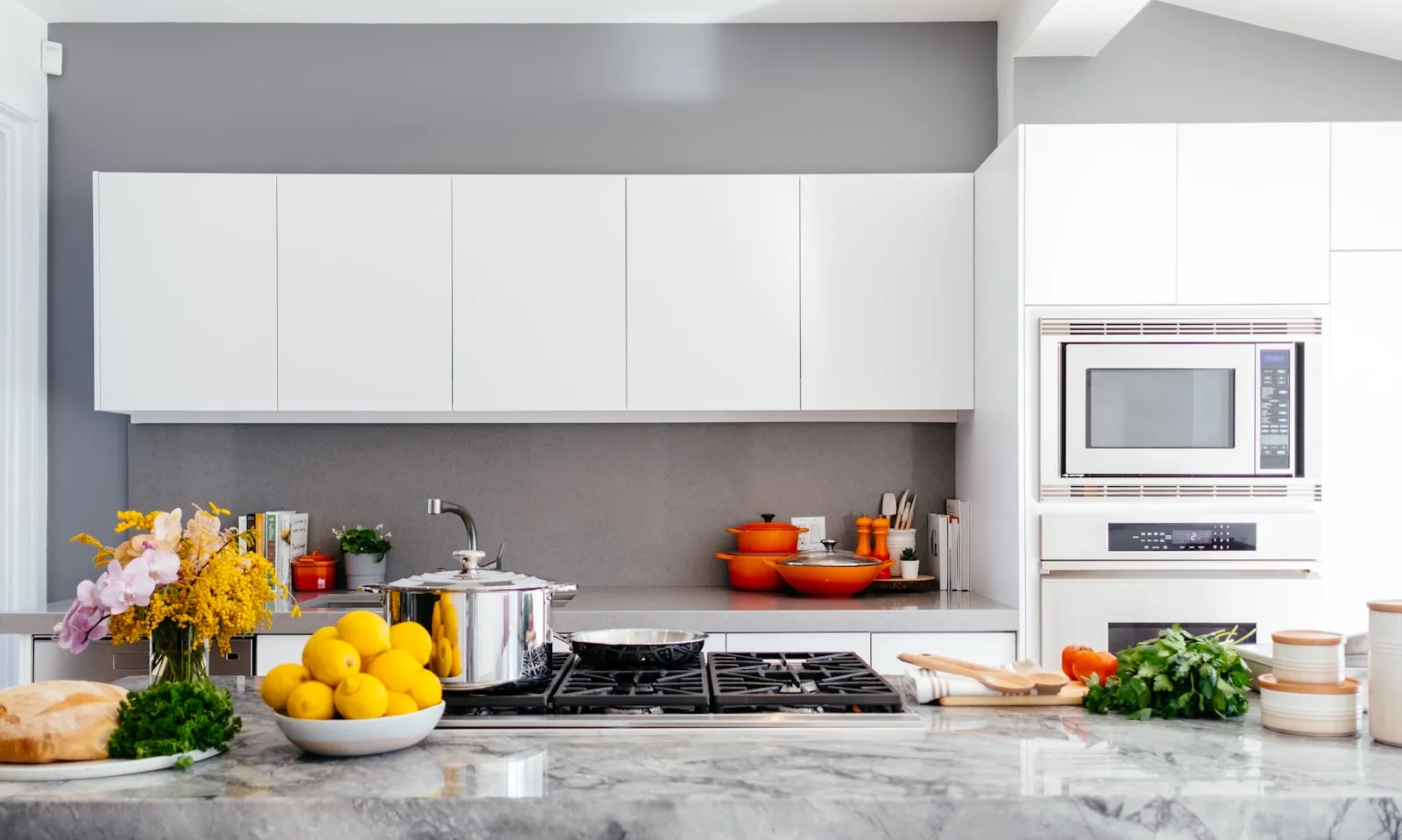
Transitioning to plastic-free storage is a long-term project rather than a single shopping trip. By prioritizing glass for reheating and stainless steel for durability, you create a kitchen that lasts for years. Focus on replacing items as they wear out to keep costs manageable and ensure every new container serves a specific, practical purpose.
FAQ

Are silicone lids safe for food storage?
Food-grade silicone is heat-resistant and flexible, making it an excellent alternative to plastic lids. It is generally considered stable and non-reactive, though it should be sourced from reputable manufacturers to ensure it is free from fillers.
Does stainless steel affect the taste of food?
High-quality stainless steel is non-reactive and does not impart flavor to food. It is an ideal choice for storing acidic foods like tomatoes or citrus, which can sometimes react with lower-quality metals or stain plastic containers.
Is it necessary to replace all plastic containers at once?
No. Gradual replacement is more budget-friendly and sustainable. Use your existing plastic containers until they are scratched, warped, or cracked, then replace them one by one with glass or stainless steel options that fit your specific needs.