Quick Answer

Stainless steel, cast iron, and enameled ceramic are generally the best non toxic cookware materials. These options offer excellent durability and heat retention without relying on synthetic non-stick coatings. While each material has specific maintenance requirements, they are effective, budget-realistic choices that avoid the degradation issues common with plastic-based coatings over time.
The kitchen is the heart of the home, but modern cookware often relies on synthetic coatings that can degrade under high heat. Finding the best non toxic cookware materials means looking for surfaces that remain stable during cooking. By prioritizing materials that do not leach chemicals or break down into food, it is possible to build a versatile, long-lasting kitchen collection without needing expensive or fragile specialty equipment.
Best Fit
Stainless steel is the best all-around choice for durability and versatility. It handles high heat well, does not react with acidic foods, and remains a reliable workhorse for decades when properly maintained.

Main Problem
The primary issue with many modern pans is the use of non-stick coatings that can release fumes or particles if overheated. These coatings eventually scratch and lose effectiveness, leading to frequent replacements.
What To Check First
Evaluate your current kitchen setup by looking for these key indicators of safe, durable, and functional cookware materials:
- Heavy-gauge stainless steel construction
- Pre-seasoned cast iron surfaces
- Smooth, chip-free enameled coatings
- Tempered glass lids without plastic
- Solid wood or silicone utensils
Comparison Table
| Decision Point | How To Think About It |
|---|---|
| Stainless Steel | Ideal for searing and everyday tasks. It is highly durable, dishwasher safe, and does not react with acidic ingredients like tomato sauce or lemon juice. |
| Cast Iron | Perfect for high-heat searing and baking. It requires seasoning to prevent sticking but provides a naturally non-stick surface that improves with consistent use over time. |
| Enameled Ceramic | Combines the heat retention of iron with a glass-like finish. It is excellent for slow cooking and acidic stews while remaining easy to clean by hand. |
| Glass | Best for oven-to-table baking and storage. It is completely inert and transparent, making it easy to monitor cooking progress without adding any chemical risk to food. |
Simple Starter Plan
- Invest in one high-quality stainless steel skillet that will serve as your primary everyday cooking surface.
- Purchase a pre-seasoned cast iron pan for searing meats and vegetables to build natural non-stick properties.
- Replace worn plastic spatulas with solid wood or stainless steel tools to prevent scratching your new pans.
- Start with a small, essential set rather than buying a large, low-quality collection that requires frequent replacement.
Related Product Searches
As an Amazon Associate, this site may earn from qualifying purchases.
Stainless steel cookware sets
Durable and non-reactive cooking surface that resists corrosion and does not leach chemicals into food during high heat cooking.
View on AmazonCast iron skillets
A naturally non-stick and long-lasting material that requires no synthetic chemical coatings for reliable performance in the kitchen.
View on AmazonCeramic coated cookware
Provides a smooth cooking surface derived from minerals, offering a practical alternative for those seeking to avoid traditional synthetic coatings.
View on AmazonCommon Mistakes
Avoid these common pitfalls when transitioning to a safer, more durable kitchen collection.
- Buying full sets instead of individual pieces
- Ignoring manufacturer cleaning and care instructions
- Overheating pans beyond their temperature ratings
Bottom Line
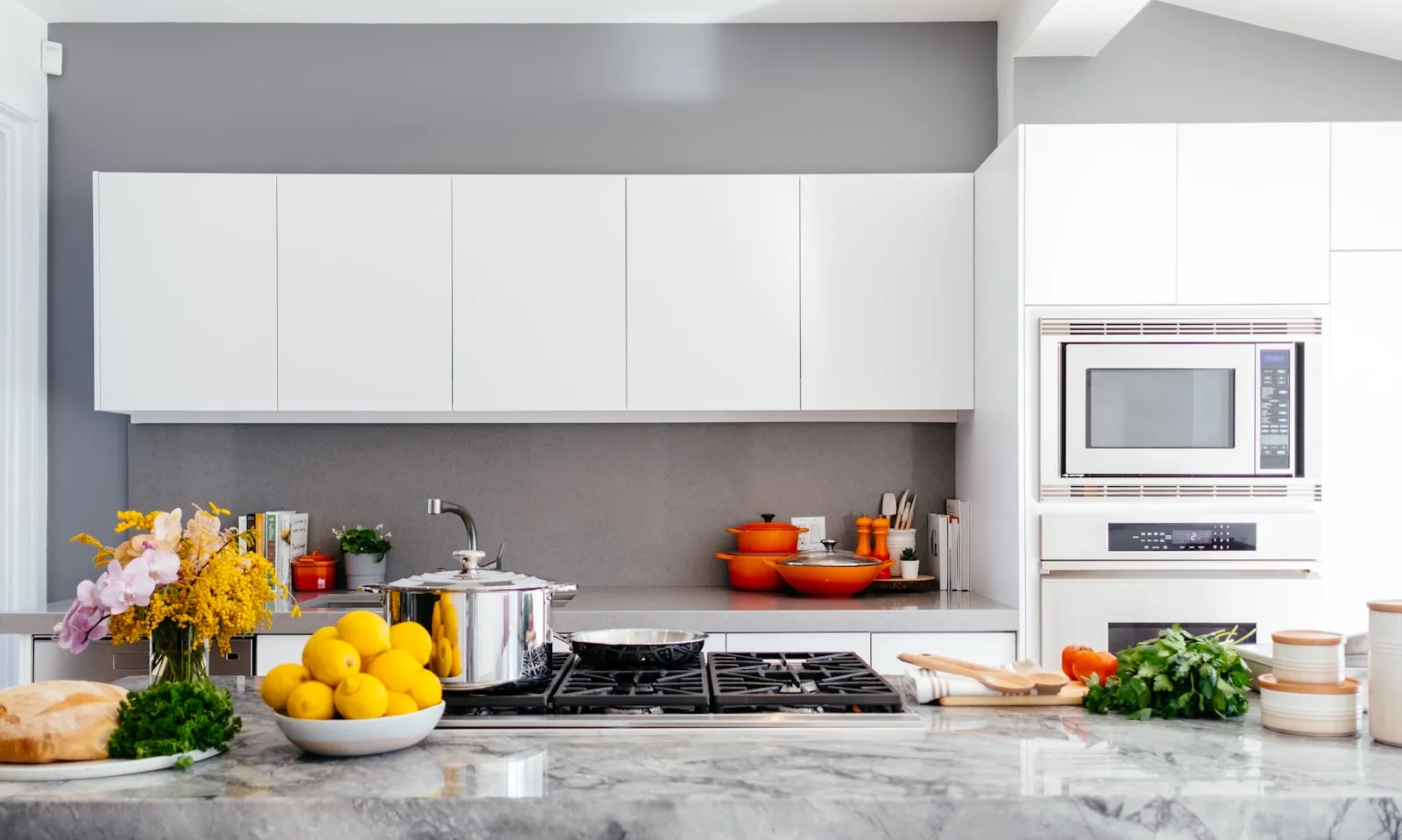
Prioritizing the best non toxic cookware materials is about choosing longevity over convenience. Stainless steel, cast iron, and ceramic offer reliable performance that outlasts synthetic alternatives. By focusing on these materials, you create a functional, budget-conscious kitchen that supports healthy daily cooking without the stress of worrying about degrading coatings.
FAQ

Is stainless steel truly safe for all cooking?
Yes, high-quality stainless steel is generally considered safe and inert. It does not react with food or release harmful chemicals when heated. Ensure you use quality steel to avoid potential nickel sensitivity issues if you have known metal allergies.
Why does cast iron require special maintenance?
Cast iron is reactive and can rust if left wet. It requires a layer of polymerized oil, known as seasoning, to prevent sticking and rust. With regular use and proper drying, this maintenance becomes a simple, quick habit.
Can ceramic cookware replace all non-stick pans?
Ceramic is a great alternative, but it is not as slick as traditional chemical coatings. It is excellent for most cooking tasks, though you may need a little more oil or fat to prevent sticking during high-heat searing.