Quick Answer
A non-toxic shampoo focuses on simple, effective surfactants and preservatives while avoiding known irritants like sulfates, synthetic fragrances, and formaldehyde-releasers. Prioritize products with short, recognizable ingredient lists. If a bottle makes vague claims like 'clean' or 'natural' without listing full ingredients, treat it with skepticism. Always perform a patch test if you have sensitive skin.
Shampoo aisles are filled with complicated labels that often hide more than they reveal. Marketing terms like natural or clean do not guarantee safety or efficacy. Choosing a better product is less about following trends and more about understanding what actually touches your scalp. Filter out unnecessary additives to identify the core components of a balanced, safe, and effective hair care routine for everyday use.

Best Fit
Focus on products that prioritize simple surfactants, such as those derived from coconut or glucose, and utilize mild, well-studied preservatives. These options provide effective cleaning without harsh chemical stripping or irritation.

Main Problem
Many conventional shampoos rely on aggressive surfactants that disrupt the scalp's natural barrier. Additionally, synthetic fragrances and complex preservatives often trigger sensitivities, making it difficult to find a reliable, daily-use option.
What To Check First
Evaluate potential shampoos against these five criteria to ensure the formula aligns with health-conscious, durable, and practical standards for your home:
- Avoid synthetic fragrances and phthalates
- Look for mild, plant-derived surfactants
- Prioritize short, transparent ingredient lists
- Check for formaldehyde-releasing preservatives
- Seek third-party certifications like EWG
Comparison Table
| Decision Point | How To Think About It |
|---|---|
| Fragrance | Avoid products labeled simply as fragrance. These often contain hidden phthalates and allergens. Choose fragrance-free or those scented with specific essential oils if tolerated. |
| Surfactants | Opt for gentle cleansers like decyl glucoside or sodium lauroyl sarcosinate. These effectively remove oil and dirt without causing excessive scalp dryness or irritation. |
| Preservatives | Avoid parabens and formaldehyde-releasers like DMDM hydantoin. Look for safer, modern alternatives such as potassium sorbate or sodium benzoate, which carry fewer health concerns. |
| Packaging | Prioritize glass or stainless steel dispensers when possible. If plastic is necessary, look for BPA-free, high-quality materials that are durable and easy to recycle. |
Simple Starter Plan
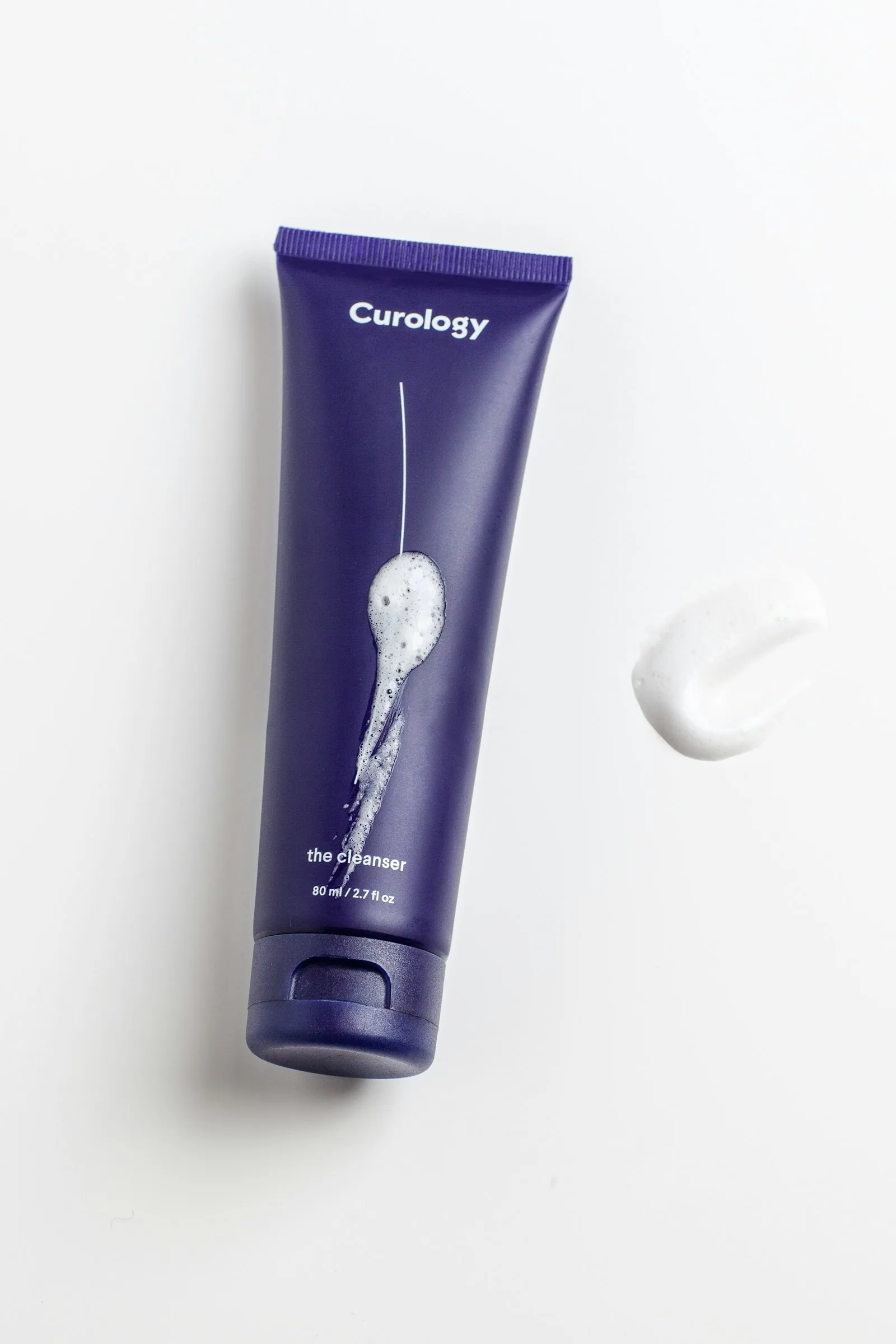
- Check your current shampoo bottle for synthetic fragrance and common irritants like sulfates.
- Research individual ingredients using independent databases if you encounter unfamiliar chemical names on labels.
- Buy a small travel-size version of a new product to test for scalp irritation first.
- Transition slowly by alternating between your old product and the new one for two weeks.
Related Product Searches
As an Amazon Associate, this site may earn from qualifying purchases.
Stainless steel shampoo dispensers
Durable metal dispensers help reduce plastic waste and provide a long-lasting, minimalist aesthetic for any bathroom shower environment.
View on AmazonGlass refillable pump bottles
Reusable glass containers allow for easy refilling while avoiding potential chemical leaching often associated with various types of plastic.
View on AmazonNatural boar bristle brushes
These traditional brushes help distribute natural oils through hair, potentially reducing the frequency needed for washing with liquid shampoos.
View on AmazonCommon Mistakes
Avoiding these common pitfalls prevents wasted money and unnecessary exposure to harsh chemical ingredients.
- Assuming natural labels mean the product is inherently safe
- Ignoring the full ingredient list in favor of front-label marketing
- Switching products too quickly before testing for scalp reactions
Bottom Line

Safety in hair care is about transparency and simplicity. By prioritizing products with clear, recognizable ingredients and avoiding common irritants like synthetic fragrances and harsh preservatives, you can maintain healthy hair without relying on vague marketing claims. Always listen to your scalp and prioritize consistent, gentle cleaning over complex, high-intensity formulations.
FAQ

Are sulfate-free shampoos always better?
Not necessarily. Sulfates are effective cleansers, but they can be drying for some hair types. Sulfate-free options use milder surfactants, which are often better for sensitive scalps, but they may not clean as thoroughly if you use heavy styling products.
How do I know if a shampoo is truly non-toxic?
No product is 100% non-toxic, as safety depends on dosage and individual sensitivity. Focus on avoiding known irritants and endocrine disruptors. Use reputable ingredient databases to verify specific compounds rather than relying solely on the brand's marketing claims.
Can I make my own shampoo at home?
While DIY options exist, they often lack proper preservatives, leading to rapid bacterial growth. Unless you have a background in cosmetic chemistry, it is safer to purchase formulated products that have been tested for stability and safety.